Lorem ipsum dolor sit amet, consectetur adipiscing elit. (Sed )do eiusmod tempor incididunt ut labore et dolore magna aliqua.

X

Type your keyword below

Understanding ERP Systems in Higher Education

In the ever-evolving landscape of higher education, institutions are constantly seeking innovative solutions to streamline their processes and enhance their operations. One such solution that has gained significant traction in recent years is the implementation of Enterprise Resource Planning (ERP) systems. These systems offer a comprehensive suite of integrated software applications designed to manage various aspects of an institution’s operations, including administrative, academic, and financial functions. In this article, we will delve into the world of ERP systems in higher education, exploring their benefits, key features, and best practices for implementation.

Table of Contents

  • What is an ERP System?
    • Definition of ERP Systems
    • Evolution of ERP Systems in Higher Education
  • Benefits of ERP Systems in Higher Education
    • Streamlined Administrative Processes
    • Enhanced Data Integration and Accessibility
    • Improved Decision-Making and Planning
  • Key Features of ERP Systems in Higher Education
    • Student Information System (SIS)
    • Financial Management
    • Human Resources and Payroll
    • Procurement and Supply Chain Management
  • Best Practices for Implementing ERP Systems in Higher Education
    • Needs Assessment and Vendor Selection
    • Customization and Integration
    • Change Management and Training
  • Choosing the Right ERP System for Higher Education
    • Factors to Consider
  • Future Trends in ERP Systems for Higher Education
    • Cloud-Based Solutions
    • Artificial Intelligence and Machine Learning Integration
    • Mobile Accessibility
  • Conclusion

1. What is an ERP System?

Definition of ERP Systems

Enterprise Resource Planning (ERP) systems are integrated software applications that facilitate the management of an organization’s resources by automating and integrating various business processes. These systems provide a centralized database that enables different departments within an institution to access and share information in real time, promoting operational efficiency and data accuracy.

Evolution of ERP Systems in Higher Education

ERP systems have a rich history in the corporate world, where they have been widely adopted to streamline business operations. However, their application in the higher education sector is a relatively recent phenomenon. As institutions face increasing pressure to improve efficiency, reduce costs, and enhance student services, ERP systems have emerged as a promising solution to address these challenges.

Traditionally, higher education institutions relied on disparate systems and manual processes to manage their administrative, academic, and financial functions. This fragmented approach often led to data inconsistencies, redundant tasks, and limited visibility into key metrics. In response to these challenges, institutions began exploring the adoption of ERP systems tailored specifically for higher education.

2. Benefits of ERP Systems in Higher Education

Streamlined Administrative Processes

One of the primary benefits of implementing an ERP system in higher education is the streamlining of administrative processes. These systems automate routine tasks such as registration, admissions, course scheduling, and grading, reducing the administrative burden on staff and faculty. With centralized data management, institutions can eliminate duplicate data entry and ensure data integrity across various departments.

Enhanced Data Integration and Accessibility

ERP systems facilitate seamless integration of data across different departments, enabling a holistic view of an institution’s operations. This integrated approach allows administrators, faculty, and staff to access accurate and up-to-date information, improving communication, collaboration, and decision-making. For example, student information stored in the system can be easily accessed by advisors, faculty, and administrators, enabling personalized support and efficient academic planning.

Improved Decision-Making and Planning

By providing real-time data and analytics, ERP systems empower higher education institutions to make informed decisions and develop effective strategic plans. With access to key performance indicators, such as enrollment trends, student retention rates, and financial projections, administrators can identify areas of improvement, allocate resources effectively, and optimize institutional performance. These systems also enable institutions to generate customized reports and dashboards, providing actionable insights for data-driven decision-making.

3. Key Features of ERP Systems in Higher Education

Student Information System (SIS)

The Student Information System (SIS) is a core component of ERP systems in higher education. It encompasses a range of functionalities related to student administration, including admissions, registration, academic records, financial aid, and student billing. SIS modules facilitate the seamless flow of information throughout the student lifecycle, from recruitment to graduation, ensuring efficient student management and support services.

Financial Management

Financial management modules within ERP systems enable higher education institutions to streamline their financial operations, including budgeting, accounting, purchasing, and grants management. These modules provide a comprehensive view of financial transactions, automate financial processes, and support compliance with regulatory requirements. Institutions can generate financial reports, track expenses, and manage budgets efficiently, enhancing financial transparency and accountability.

Human Resources and Payroll

ERP systems for higher education typically include modules for human resources and payroll management. These modules centralize employee data, automate payroll processes, manage benefits administration, and facilitate employee self-service functionalities. By automating routine HR tasks, institutions can reduce administrative overhead, improve accuracy in payroll processing, and enhance employee satisfaction.

Procurement and Supply Chain Management

Procurement and supply chain management modules within ERP systems enable higher education institutions to streamline their purchasing processes, manage inventory, and track supplier relationships. These modules automate procurement workflows, facilitate vendor management, and support strategic sourcing initiatives. By optimizing procurement processes, institutions can achieve cost savings, improve operational efficiency, and ensure compliance with procurement policies.

4. Best Practices for Implementing ERP Systems in Higher Education

Needs Assessment and Vendor Selection

Before embarking on an ERP implementation project, it is crucial for higher education institutions to conduct a thorough needs assessment to identify their specific requirements and pain points. This assessment should involve key stakeholders from various departments to ensure comprehensive input. Once the needs assessment is complete, institutions can initiate the vendor selection process, evaluating vendors based on their track record, product functionality, scalability, and customer support.

Customization and Integration

While ERP systems offer a range of out-of-the-box functionalities, customization may be necessary to align the system with an institution’s unique processes and requirements. However, customization should be approached with caution, as excessive modifications can lead to increased costs, longer implementation timelines, and difficulties in system upgrades. Institutions should prioritize customization efforts based on their strategic goals and focus on integrating existing systems with the ERP to minimize disruption.

Change Management and Training

Implementing an ERP system in higher education requires effective change management practices and comprehensive training programs. Institutions should communicate the purpose and benefits of the ERP system to all stakeholders, addressing any concerns and resistance to change. Training programs should be developed to ensure that end-users are equipped with the necessary skills to maximize the system’s potential. Ongoing support and regular feedback loops are essential to facilitate a smooth transition and optimize user adoption.

5. Choosing the Right ERP System for Higher Education

Factors to Consider

When selecting an ERP system for higher education, institutions should consider several factors. These include:

  • Scalability: The system should have the ability to accommodate the institution’s current and future needs as it grows and evolves.
  • Integration Capabilities: The ERP system should be able to integrate with existing systems and applications, such as learning management systems and CRM software.
  • Vendor Support and Reputation: Institutions should assess the vendor’s track record, customer support services, and reputation within the higher education sector.
  • Security and Compliance: Data security and compliance with industry regulations, such as FERPA, should be a top priority when selecting an ERP system.
  • Total Cost of Ownership: Institutions should evaluate the total cost of ownership, including licensing fees, implementation costs, ongoing maintenance, and support.

It is crucial for institutions to thoroughly evaluate the features, functionalities, and compatibility of each ERP system to determine the best fit for their specific needs.

6. Future Trends in ERP Systems for Higher Education

Cloud-Based Solutions

The adoption of cloud-based ERP systems is expected to increase in the higher education sector. Cloud solutions offer several advantages, including reduced infrastructure costs, scalability, and enhanced accessibility. Institutions can benefit from automatic software updates, improved data security, and the ability to access the system from anywhere, anytime.

7. Artificial Intelligence and Machine Learning Integration

As artificial intelligence (AI) and machine learning (ML) technologies continue to advance, ERP systems are incorporating these capabilities to further enhance their functionalities. AI and ML can automate routine tasks, provide predictive analytics, and enable intelligent decision-making. For example, chatbots powered by AI can assist students with inquiries, freeing up staff time for more complex tasks.

Mobile Accessibility

With the proliferation of mobile devices, ERP systems are increasingly focusing on mobile accessibility. Mobile applications allow students, faculty, and staff to access important information, complete tasks, and receive smartphone or tablet notifications. This mobility promotes flexibility and convenience, enabling stakeholders to stay connected with the institution’s operations on the go.

8. Conclusion

ERP systems have become a game-changer in the higher education sector, offering institutions the opportunity to streamline their operations, improve efficiency, and enhance student services. By integrating various administrative, academic, and financial functions, there are ERP systems like Academia ERP, that provide a holistic view of an institution’s operations, enabling informed decision-making and strategic planning. As the higher education landscape continues to evolve, institutions that embrace ERP systems will be better positioned to navigate the challenges and seize the opportunities of the future.

Implementing an ERP system in higher education requires careful planning, effective change management, and ongoing support. Institutions should conduct a thorough needs assessment, select the right vendor, and prioritize customization efforts based on their strategic goals and requirements. By following best practices and leveraging the benefits of ERP systems, higher education institutions can transform their operations and empower their stakeholders for success in the digital age.

About Academia ERP:

Academia ERP is a robust, feature-rich, analytics-equipped, user-friendly ERP – built on a cutting-edge and flexible architecture – that enables educational institutions to automate & streamline their functions and processes for both learning and administration, from prospecting to graduation. We have a presence in 24 countries and have served 350+ institutions so far.

About Serosoft Solutions:

Serosoft is a leading educational software and solutions company, promoted by a dynamic team of erstwhile I-Bankers, US graduates, and MBAs. We are part of the prestigious 50-year-old Hindustan Group of Companies.

Safeguarding Students Data: Exploring the DPDP Bill 2023’s Impact on Educational Institutes

In an age where technology is advancing at an unprecedented rate, the importance of data protection has become paramount. As digital interactions become an integral part of our lives, it’s crucial to safeguard the personal information of individuals, particularly children, who are more vulnerable to potential risks. The Digital Personal Data Protection Bill of 2023 addresses this concern by emphasizing the need for enhanced protection of children’s data. In this blog, we will delve into the significance of the DPDP Bill 2023 for educational institutions and explore how Academia ERP, a GDPR-compliant and ISO-certified company, assists these institutes in complying with this bill.


The DPDP Bill 2023 and Its Implications for Education Institutes –


The DPDP Bill 2023 acknowledges that children are at the forefront of technological exposure and possess unique vulnerabilities. As “canaries in the coal mine for threats to us all,” children require special safeguards to ensure their personal data is handled with utmost care and respect. The bill introduces several provisions to protect children’s data within the context of educational institutions:


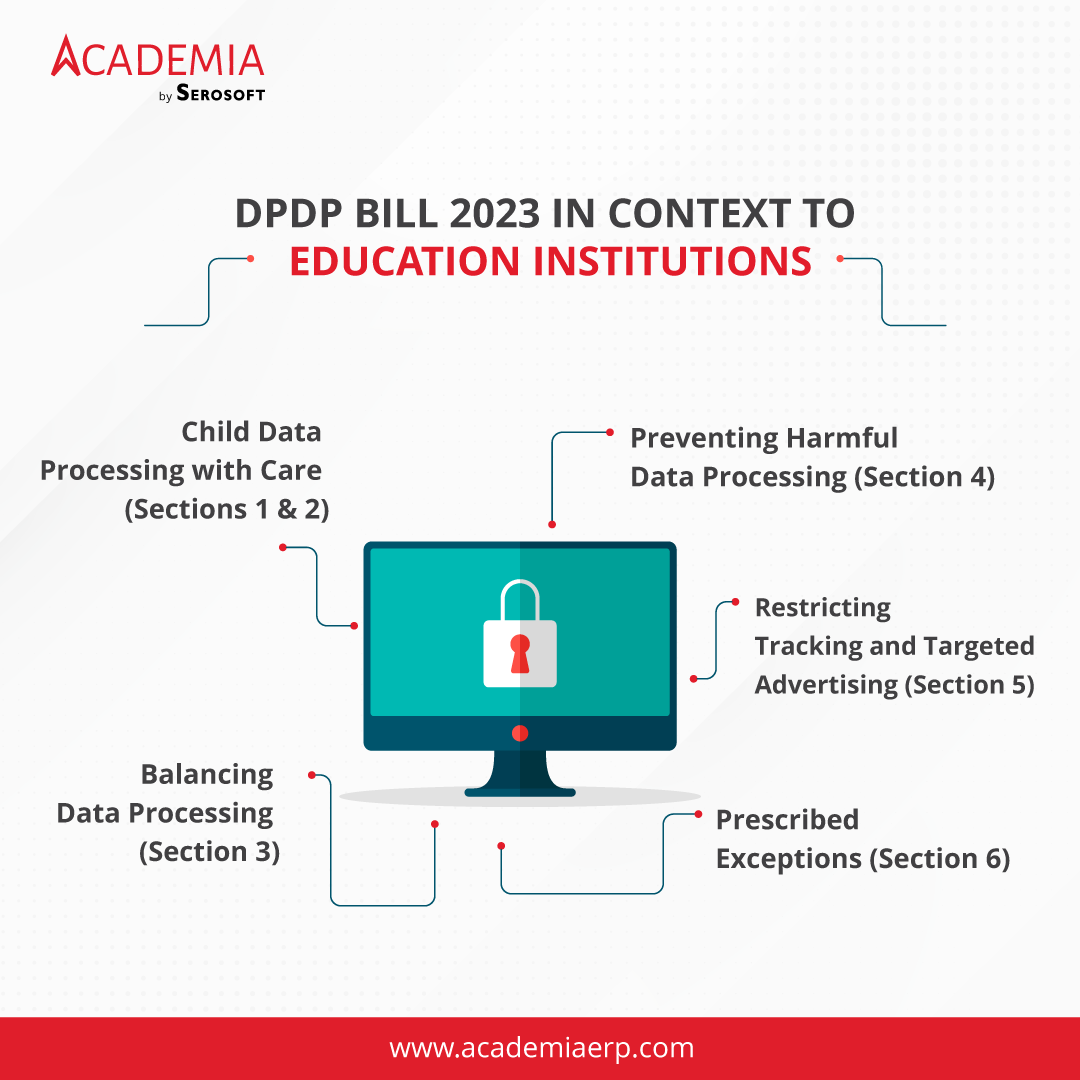
    • Child Data Processing with Care (Sections 1 & 2): The bill mandates that data controllers and processors process children’s personal data in a manner that safeguards their rights and interests. Before processing any personal data of a child, age verification and parental consent are required. This ensures that parents or authorized persons have control over the child’s data, underscoring the importance of family involvement in the data processing.


    • Balancing Data Processing (Section 3): The bill outlines a nuanced approach to age verification and parental consent, taking into consideration factors like the volume of data, potential harm to the child, and the proportion of data belonging to children. This balanced approach aims to prevent any undue risk to children’s well-being while allowing necessary data processing.


    • Preventing Harmful Data Processing (Section 4): The bill prohibits the processing of any personal data likely to cause harm to a child. This provision underscores the commitment to safeguarding children’s mental, emotional, and physical well-being.


    • Restricting Tracking and Targeted Advertising (Section 5): To protect children from undue commercial influence, the bill prohibits tracking, behavioral monitoring, and targeted advertising directed at children. This safeguards their privacy and prevents potential exploitation.


    • Prescribed Exceptions (Section 6): While the bill sets stringent regulations, it also acknowledges that certain data processing activities may be necessary. These exceptions are defined within the legislation and provide a framework for permissible data processing in educational contexts.


DPDP bill


Academia ERP: Empowering Compliance with the DPDP Bill 2023


In the realm of educational technology, Veteran, Academia ERP stands out as a reliable partner for institutes striving to comply with the DPDP Bill 2023. As a GDPR-compliant and ISO-certified company, Academia ERP offers a suite of features that align with the bill’s requirements:


    • Advanced Encryption: With advanced encryption protocols, Academia ERP ensures that personal data, especially that of children, remains secure and inaccessible to unauthorized parties.


    • Role-Based Access: Role-based access controls guarantee that only authorized personnel can access and manage children’s data, minimizing the risk of unauthorized data processing.


    • Compliance Assurance: Academia ERP’s unwavering dedication to GDPR compliance and ISO certification provides educational institutes with the confidence to readily embrace the platform, assuring them that their data processing procedures align with rigorous standards, catering not only to European regulations but also extending its reliability to global as well as Indian clients.


    • Vulnerability Assessment and Penetration Testing (VAPT)- We are a VAPT security audited software, which is a comprehensive security testing approach aimed at identifying and addressing cyber security vulnerabilities and threats. This makes our commitment to data security more concrete and ensures our clients’ data safety to the core.


    • CERT-IN (Computer Emergency Response Team-India) by the Ministry of Electronics and Information Technology, Government of India – Academia ERP is also CERT-In certified, leaving no stone unturned for the Data safety assurance for our partner institute.


    • Regular Backups: The platform’s regular data backups ensure data integrity and availability, allowing institutes to recover data in case of unforeseen events.


    • 24X7 Support – Academia provides round-the-clock support to all its 350 clients, spread across 22 countries and all the raised issues are solved in standard timelines, which further prevents any possible data breach or glitch.


Conclusion

The DPDP Bill 2023 represents a significant step toward safeguarding children’s personal data in an increasingly digital world. Educational institutes play a vital role in this endeavor by implementing robust data protection measures. Academia ERP, with its advanced encryption, role-based access, compliance assurance, and regular backups, emerges as a valuable partner for educational institutions seeking to align their practices with the bill’s provisions. As various sectors adapt to this new paradigm, the collective commitment to data protection paves the way for a thriving digital economy with privacy and security at its core. By prioritizing the protection of children’s data, institutes can create a safe and secure digital environment that nurtures young minds while adhering to the highest standards of data privacy.


How Data-Powered Student Recruitment Strategies Drive Higher Education Enrollment

Introduction:

In today’s highly competitive higher education landscape, institutions are constantly seeking innovative ways to attract and retain students. One of the most effective approaches is to leverage data-powered student recruitment strategies. By utilizing advanced data analytics and insights, institutions can better understand their target audience, personalize their marketing efforts, and ultimately increase enrollment. In this blog, we will explore the importance of data in student recruitment and highlight how Academia ERP can help extract and harness the power of this data.

The Role of Data in Student Recruitment:

In an era driven by technology, the amount of data available is vast. Educational institutions can tap into this wealth of information to refine recruitment strategies and make data-driven decisions. Here are some key areas where data can significantly impact student recruitment:


  1. Identifying the Target Audience: Through data analysis, education institutions can gain insights into the preferences, characteristics, and behavior of their prospective students. This identification enables them to create targeted recruitment campaigns that resonate with the right audience.
  2. Personalization and Customization: By utilizing data, institutions can personalize their communication with prospective students. This personalization includes tailoring marketing messages, offering personalized recommendations, and creating a more engaging experience throughout recruitment.
  3. Predictive Analytics: Data-powered predictive models can help institutions forecast enrollment numbers, identify at-risk students, and develop proactive strategies to address potential issues.
  4. ROI Optimization: Data analysis allows institutions to track and measure the effectiveness of their recruitment efforts, enabling them to allocate resources more efficiently and optimize return on investment.

How Academia ERP Extracts and Utilizes Data for Student Recruitment:

Academia ERP, a comprehensive education Enterprise Resource Planning (ERP) system designed for educational institutions, provides powerful tools to extract, analyze, and utilize data for student recruitment. Here’s how Academia ERP helps institutions harness the power of data:


  1. Data Extraction and Integration: Academia ERP seamlessly integrates with various data sources within an institution, including admissions, student records, and marketing platforms. It aggregates this data and makes it easily accessible for analysis.
  2. Analytics and Reporting: Academia ERP offers robust analytics and reporting capabilities, allowing institutions to gain valuable insights from their data. These reports include enrollment trends, geographical distribution, campaign performance, and more. These insights empower institutions to make informed decisions and optimize their recruitment strategies.
  3. Lead Management and CRM: Academia ERP incorporates a lead management system that enables institutions to capture and track prospective student information. This management centralizes data and provides a comprehensive view of each lead’s journey, allowing for personalized communication and effective follow-up.
  4. Campaign Automation: Academia ERP facilitates automated marketing campaigns, enabling institutions to reach prospective students through multiple channels, such as email, social media, and SMS. These campaigns can be customized based on individual interests and preferences, increasing the likelihood of engagement and conversion.

Conclusion:

Data-powered student recruitment strategies have become indispensable for higher education institutions. By leveraging data analytics and insights, institutions can gain a competitive edge, enhance personalization, optimize resources, and ultimately attract and retain the right students. Academia ERP can be a useful alibi in this process by extracting and harnessing data, providing powerful analytics and reporting tools, and enabling personalized communication and automated campaigns. As the higher education landscape continues to evolve, the ability to extract and leverage data will be paramount for institutions seeking to thrive in the competitive recruitment landscape.

To Experience the world-class Student Information System: Academia ERP, request a demo here.

Beyond the Certificate: The True Benefits of NAAC Accreditation

In higher education, quality assurance plays a crucial role in maintaining academic standards and promoting continuous improvement. In India, the National Assessment and Accreditation Council (NAAC) is an autonomous body dedicated to ensuring quality in higher education. It provides accreditation to higher education institutions based on their fulfillment of specified criteria. However, the value of NAAC accreditation extends far beyond merely receiving the certificate. It offers numerous benefits that significantly contribute to the overall development of an institution.

One of the most significant benefits of NAAC accreditation is that it publicly recognizes an institution’s quality. The accreditation status signals to potential students, parents, and employers that the institution meets or exceeds the standards set by an independent accrediting body. This recognition can enhance the institution’s reputation and standing, making it a more attractive choice for prospective students and faculty members.

Another substantial benefit of NAAC accreditation is the enhancement of quality education. The NAAC’s evaluation criteria encourage institutions to strive for excellence in all aspects of their functioning, including teaching, research, community engagement, and governance. By working towards meeting these criteria, institutions inevitably improve their educational practices and outcomes, leading to a better learning experience for students.

Furthermore, NAAC accreditation stimulates a culture of self-evaluation and continuous improvement within institutions. The process involves a thorough self-study by the institution, followed by an external review. This introspective exercise allows institutions to identify their strengths and weaknesses, leading to systematic action plans for improvement. The periodic reassessment required for maintaining accreditation ensures that institutions continually enhance their performance and quality.

NAAC accreditation also promotes accountability and transparency. The accreditation process involves a comprehensive assessment of the institution’s operations and outcomes, which are made public. This transparency ensures that institutions are accountable to their stakeholders, including students, parents, the government, and the community.

Moreover, NAAC accreditation facilitates greater collaboration and funding opportunities. Many funding agencies prefer to invest in NAAC-accredited institutions due to their demonstrated commitment to quality. Similarly, other higher education institutions in India and abroad are more likely to engage in research collaborations or student exchange programs with NAAC-accredited institutions.

Lastly, NAAC accreditation catalyzes institutional innovation. The quest for quality improvement often drives institutions to adopt innovative practices in teaching, research, administration, and student support services. These innovative practices enhance the institution’s performance and contribute to the broader higher education sector by serving as best practice models.

In today’s data-driven world, having an efficient system to manage, analyze, and report institutional data is crucial for pursuing and maintaining NAAC accreditation. This approach is where a robust Education Enterprise Resource Planning (ERP) system like Academia ERP/SIS can be incredibly beneficial.

How Academia ERP/SIS helps in achieving NAAC for your institution:

Academia ERP/SIS aids in simplifying the NAAC accreditation process with its comprehensive reporting and analytics capabilities. It allows institutions to generate precise, timely reports and provide insights for improvement, streamlining the self-study reports required for NAAC accreditation.

The Academia ERP/SIS system is an integrated platform for managing institutional data, contributing to higher education’s broader goal of quality enhancement.

NAAC Report

Academia ERP/SIS has distinctive NAAC-centric features designed to meet the seven criteria required for Grade ‘A’ NAAC accreditation, including curricular aspects, teaching-learning and evaluation, research, consultancy, and extension, among others. It offers a range of tools, from curriculum management to tracking capabilities for various academic and administrative activities. The system’s alignment with the NAAC criteria ensures institutions are well-prepared to secure and maintain Grade ‘A’ accreditation.

In conclusion, NAAC accreditation offers benefits that extend beyond the certificate. It’s a journey towards excellence, fostering quality improvement, accountability, and innovation. With the assistance of advanced systems like Academia ERP/SIS, this journey is more efficient and rewarding. Learn more with our Education ERP/Student Information System Experts.

Education in Indonesia vs. the Philippines

In 2021, ASEAN reported that covid-related school foreclosures had affected the quality of education for more than 152 million children in the member countries. To confirm the impact, Gallup — a public poll specialist, estimated education satisfaction in Southeast Asia has dropped to 63% from 85%. 

Looking eye-to-eye with these massive challenges, the Cambridge-ASEAN policy was a mandate which provided a direction to ministers of education in the member country and provided tangible actions to reverse the effects of Covid-19. Although the impact of the pandemic was not that dire in all the member countries — Indonesia and the Philippines were not that lucky enough. According to a Unicef report, the education of 80 million children in Indonesia was impacted by Covid-19. Similarly, in another Unicef report, 27 million Filipino students are impacted by Covid-19

Summarizing the policy Cambridge-ASEAN policy, the team highlighted the importance of going digital and establishing a robust digital infrastructure to ensure students have access to learning resources. Mental health and well-being should take center stage when building new education policies and countering learning loss. Governments and organizations need to prioritize learning losses for younger students, vulnerable students, and people on vocational pathways. 

But before any nation delves into these suggestions, it becomes imperative that they address the long-standing issues in their education system. The two ASEAN (Association of Southeast Asian Nations ) countries (Indonesia and the Philippines) have some shortcomings in the sector that has, time after time, affected the students in many ways. 

Three significant issues on which we would be comparing the education system of both Indonesia & Philippines are — quality, affordability, and budget. 

  • Quality of education: 
  • Philippines

The Philippines has recently revised its education system, making education compulsory for 12 years. With this comes some significant challenges in curriculum, wherein language, literature, natural science, social sciences, arts, and humanities will be taught from grade 1 to 12, except chemistry which is only taught after the 9th grade. 

However, the change in the curriculum per se is not an indication of the quality. Facts disagree and show a sharp decline in the quality of education in the Philippines. In a standard test among the students and the National College Entrance Examination for college students, the scores were below the target mean score. Also, the attributed decline in quality may be due to the shortage of teachers in public schools. 

  • Indonesia

Indonesia has the fourth-largest education system in the world. However, in an education quality assessment done for 50 nations, it landed the last position. Although the country is making ample efforts towards improving the quality of education, the youth seems to be not benefitting from it — which is more or less a common phenomenon amongst middle-income countries. 

  • Affordability of Education
  • Philippines

In the Philippines, there is a significant disparity between educational achievements across social groups. Students from socially and economically weaker sections seem to drop out more often, especially at an elementary level. And most of the freshman students at the tertiary level come from families with affluent backgrounds. Also, public-funded schools are underfunded. 

  • Indonesia

Only one-third of 57 million school-going students finish their primary education. Although, unlike the Philippines, Indonesia does provide excellent access to primary and secondary education to its students resulting in a spike in enrollment rates from 21% to 77% between 1978 to 2015.  The system evades the needs of the students, leaving millions becoming marginalized and forgotten in the classroom. 

Furthermore, many education authorities responsible for running the national education system have been caught in corruption scandals that use loopholes in the system for political gains and personal wealth creation. There is a need for reform where teachers and students are empowered. Hence, the government has to work towards making education more affordable for the students hailing from the middle class.

  • Budget
  • Philippines 

The budget allotted for education by the government is not enough to sustain. This contrasts with the Philippine constitution, as it mandates the government to allocate the highest proportion of the budget to education. Also, according to a report, amongst the ASEAN countries, the Philippines has the lowest budget allocations. Low budget directly affects the public school infrastructure, resulting in underpaid teachers, insufficient reading material, poor facilities, and more. 

  • Indonesia

Similar to the Philippines, the education sector in Indonesia too is fighting inadequacy of the budget. Because of this, experts say less than half of the country’s teachers that are hired do not fulfill the qualification for the position. Also, absenteeism is on a high rise, well above 20%. Teachers are found to work outside the classroom to improve their incomes. Corruption is to blame for it. 

Conclusion

In both countries, there is an educational employment mismatch. For both countries to shorten the divide, they must work on skill development and make significant changes in their curriculum to meet the needs of the evolving job market. This is likely to help both countries to reduce the growing number of educated, unemployed, and underemployed populations. 

Suppose you are looking for a digital transformation for any educational institution in Indonesia, Phillippines, or any other Southeast Asia country. Academia ERP is there to help and rejuvenate your institutions’ digital fluency. Request a live demo of how Academia ERP is a problem solver for your education institutes.

How is Academia ERP uprooting the challenges of Higher Education institutes in Zimbabwe?

How is Academia ERP uprooting the challenges of Higher Education institutes in Zimbabwe? 

Countries in the African continent need to diversify their economies, develop skills, strengthen the education system, and provide professional training to their population. Since the growth of any country is highly dependent on the contribution of human capital, a government must make ample attempts to keep the population abreast with the new trends in the job market and meet the skill needs of the burgeoning industry sectors. For this, every government uses education as a tool to weave the very fabric of the future. And the first step requires it to address the long-standing challenges in its education system to strengthen it and derive desired results.

Talking of Zimbabwe, the country has some huge obstacles to conquer. The investment is limited, there is a shortage of teachers, and soaring high dropout rates. To top this, it is required to make education equitable and reduce the socio-economic divide in the country. Here are a few biggest challenges of higher education institutes in Zimbabwe and how Academia ERP is uprooting them. 

Challenge#1: Expansion of Universities 

At independence, Zimbabwe had only one state university, but the number now has grown to 13. There are eight state universities and four church-run universities. The expansion of the university system in Zimbabwe is mainly in response to the expansion of the primary and secondary education segment in the country. There is a sudden surge in enrollment rates. However, there aren’t many regional universities and academies to support the demand. Hence, the existing facilities are overstretching their facilities and resources — causing a big dent in the student experience at their universities. 

Approximately 300,000 students each year graduate from the secondary education segment and only 18% of students are admitted into higher education institutes. This means around 80% of students are still deprived of higher education and training — reducing their chance of landing a skill-based job and improving their quality of life. 

Academia ERP Solution:

  • Multi-centre Capability

The software comes with multi-center capabilities which allow you to manage multiple academies of your organization well. It helps you in setting up the digital infrastructure of newly planned academies. It also provides robust programs and course management, student performance analysis and management, teacher management, resource planning and management, and more. Multi-center capability is one characteristic that would help monitor and manage all the institutes, colleges, and academies in your organization remotely from a single dashboard. Hence, planning and managing your expansion is more profitable and successful.  

  • Efficient Management of Admission Phase

Although the enrollment rate in the higher education segment in Zimbabwe is rising, dropout rates also have elevated. Enrolling in a college requires a student to be emotionally, socially, and academically involved in university activities. And since each student is unique and has different aspirations, their innate abilities and expectations must be aligned with the college curriculum and culture. Hence, even though higher education institutes are seeing high enrollments, they are also parallelly fighting dropout rates.

To counter this, you need efficient management of the admission phase. With Academia ERP, you get dedicated features for the pre-admission and admission phases. Using them, you can run marketing campaigns, manage inquiries, track leads, close admissions, generate reports, and so much more. 

It also helps you in assisting a student in making academic choices. This would help you bond with the student better and know them well. This gives you a wider scope to understand if the applicant is the right fit for your campus academically, culturally, and emotionally. These informed choices allow you to choose the right applicant and retain them throughout the student lifecycle. And hence, reduce your big losses due to dropouts.

Challenge#2: Quality Education

The government of Zimbabwe has become very proactive about the quality of education. They sanctioned Council for Higher Education Act in 2006 to monitor the quality of education in higher education institutes. But only some of the universities in the country have a set structure or the tools to provide reports and audit requirements. This makes quality analysis difficult and leaves no scope for the universities to know their pain points and work on them. 

Furthermore, the country has 15.1 million people, but the GDP is only $20.5 billion. It is surprising that a country such as Zimbabwe, with a literacy rate of 90%, has such low GDP and is amongst the poorest countries in the world. One possible reason for this is that the population is not skilled and not ready to meet the changing demands of the global job market. Hence, the education sector is expected to help the nation fight this problem. 

Academia ERP Solution: 

  • Programs and Courses Management

For higher education institutes to offer students the skills that are highly demanded in the job market, it is very important to manage the programs and courses in their institute. It is important that they carefully evaluate the curriculum of the courses and make it richer through timely improvements. This would help you evaluate the curriculum better in light of the growing market demand and achieve student success easily. 

  • Student Performance Analysis and Management 

One of the ways to evaluate if the quality of education in your institute is high and up to the standards or not is through student performance analysis. Student outcomes, student success, student retention, and other important metrics help you understand if you have a quality-driven curriculum at your institute. Academia ERP offers you granular reports and efficient student performance record management. 

Also, a student’s performance analysis would help you predict if the student is on the verge of dropping out. Hence, before making a decision, you can help them make the right choice and rekindle their interest in skill development and education. 

  • Reports and Dashboards

Academia ERP offers a variety of reports and dashboards to provide quantitative and qualitative analysis to regulatory bodies. This would make reporting easy and hence get you a higher accreditation to attract more students to the provided course and programs. 

Challenge#3: Funding 

Most universities in Zimbabwe rely on government funding. However, many higher education institutes in Zimbabwe are underfunded. The salary of academic and non-academic staff is less than other universities when compared in the African continent. Many students from impoverished backgrounds are required to pay their fees. Somewhere, education is becoming reserved for the elite. Government is unable to provide scholarships. Basic resources such as computers, labs, laboratories, etc., are not available in higher education institutions. 

Academia ERP Solution: 

  • Reduced operational cost 

All the higher education institutes in Zimbabwe are focusing on reducing their expenses. This can only be done through efficient resource management and implementation. With Academia ERP, you would be able to allocate resources better. It provides you with accurate reports on resources that are free, under maintenance, occupied, etc. This allows you to manage the resources efficiently for them to be utilized better. 

  • Financial Management

Most higher education institutions are operating on traditional models. This means a lot of paper-bound operations and manual processing. Many staff and faculty expenses go unnoticed, causing budget mismanagement. Through Academia ERP, you can automate financial management and generate more transparency in operations. You would be able to track transactions and bring down your expenses. 

Way Forward

Although the education sector in Zimbabwe is facing some of the biggest challenges, we must remember that technology has the answer to most of them. If you are looking for a solution that can help you combat some of your institute’s biggest challenges, you can consider Academia ERP. It is an app suite with 30+ modules that helps monitor and manage institute operations. It automates tasks and has helped many institutes reduce their expenses by 33%. We have a presence in 21 countries and 320+ clients — of which Africa University, Zimbabwe is one. If you want to know how we can help you digitally transform, drop us a ‘Hi!’ here.

ABET Accreditation of Higher Education – All the Details

ABET (Accreditation Board for Engineering and Technology) is a US-based non-profit organization that grades engineering programs at a college to ensure professional-grade education. It is a global standard in STEM education to assure that undergraduate and postgraduate programs like computing, engineering, applied science, natural science, and software engineering provide academically sound, skill-based education.  

ABET-accredited university

ABET accreditation is a global standard and works as a magnet to attract prospects for your university. It executes the accreditation process through a network of experts that have vast industry experience. These experts evaluate and validate the institute programs to be holistic, and quality-driven. 

For this, the team of experts closely scrutinizes the programs. The process provides academicians and management of the university with a deeper understanding of the gaps in the system. The procedure includes a review of the program material, several visits to the campuses, and more. The process is well-aligned with modern education needs and standards, and thus makes ABET one of the most sought-after accreditation till now in the world for technical courses.  

What does it mean to be ABET-accredited? 

ABET sets a global standard, and getting accreditation from ABET means adding extra value to your global reputation. Being ABET accredited testifies for:

  • International quality education
  • Best practices in education 
  • Faculty and staff self-assessment process and continuous quality improvement
  • Focus on learning outcomes rather than just teaching inputs

Programs that can be ABET Accredited

  • Distance Learning Technical Programs
  • Applied and Natural Science Programs 
  • Computing Programs
  • Engineering Accreditation Commission
  • Engineering Technology Programs
  • Several Alternative Programs

Why is ABET Accreditation in Higher Education important?

ABET is globally valued. Every individual wishing to make a career in engineering and computer sciences would wish that their degree is of a global standard and also have a conviction that they are at an advantage of being part of a quality-driven, skilled-based curriculum. 

If your university is ABET accredited, you have a major edge in the market, as: 

  • It shows the compelling quality standards in the science and technology field.
  • It gives you a competitive edge in beating private and government institutes in your area.
  • It helps establish you in the global market.
  • It is a confirmation of high quality in terms of curriculum, assessment, and development.
  • It helps you in continuous improvements as ABET conducts regular reviews.
  • It ensures better student outcomes 

Note:

ABET accreditation may also help your institute to get a PE or Professional Engineer License.

ABET criteria and eligibility 

ABET promotes excellence in technical education and thus puts quality improvement at the center of all accreditation activities. The accreditation criteria is built by academic experts and technical professionals with years of experience in various industries, academic professions, and government organizations. The criteria is built to evaluate programs on three factors: 

  • Quality
  • Content 
  • Relevance

Important details of the ABET accreditation criteria

  • Eligible programs

Not every program is eligible for ABET accreditation and hence you must carefully go through the list of programs for which you apply for accreditation. Furthermore, the institute should be nationally and regionally accredited in the USA.  Also, doctoral and certificate programs are not accredited by ABET. ABET only accepts accreditation requests from degree-granting educational institutions. 

  • Minimum of one graduate is mandatory

Programs become eligible only if they have at least one graduate passed out. 

  • Program name clause

The program name should convey the objective and should not be misleading. 

  • SSR 

It is essential to submit an initial SSR before the on-site visit. The report needs to be accurate, to the point, updated, and error-free. 

ABET Accreditation Process & Timeline

ABET accreditation is a time-intensive process and can take up to 18 months. Step by step we can divide the accreditation process into: 

  • Readiness review 
  1. Collecting samples of syllabus, assignments, curriculum  
  2. It starts in October and must end by January 31st
  • Evaluation request 
  1. Assigning the assessment team 
  2. Between April and May, based on the review
  • Submission of SSR 
  1. Self-study report submission, followed by review by the assessment team
  2. Submission before July 1st
  • On-site visit
  1. Documents should be filed and ready before the on-site visit
  2. Panel interviews conducted with faculty, students, administration
  3. Usually scheduled from September until December, the on-site assessment lasts 3 days.
  • Decision-making process
  1. The review team may notify if they found any gaps during their visits 
  2. Within two-three months, formal communication starts to inform the findings
  3. Institute may be required to produce an explanation for the shortcomings within 30 days 
  4. The decision comes around July
  5. The final verdict notified to the institute by August 31st

ABET Assessment Planning

  1. Establish mission Statement
  2. Define Program Educational Objectives (PEOs) and Student Outcomes
  3. Evaluate Assessment findings 
  4. Plan Assessment design and execution
  5. Use data for decision-making

How to get ABET accredited successfully?

Here are some useful tips to get ABET accredited successfully:

  • Stick to the time frame

There is a reason why we have mentioned the months in the timeline. It is an 18-month-long process and you would get a sufficient time window to finish all the formalities and meet the expectations and standards of the assessment team. 

  • Eligibility check

Before you begin the process, it is necessary to map the eligibility criteria to your institute’s offerings. It is very common for people to apply for the accreditation of a course that doesn’t fall within the eligibility criteria. 

  • Request Application

To confirm your eligibility you are required to make a request for the same and submit the SSR, within the timeline for ensuring the process starts. 

  • ABET Review 

Based on your submission, the committee will evaluate your SSR and conduct an onsite visit to proceed with the evaluation process and give a final decision. So, make sure SSR is well-built with no errors. 

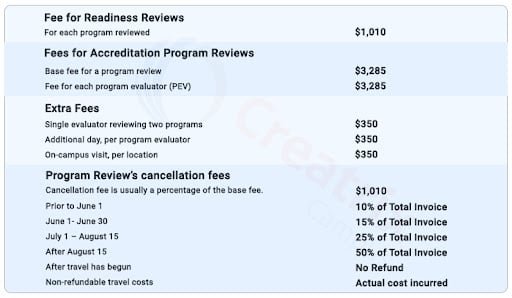
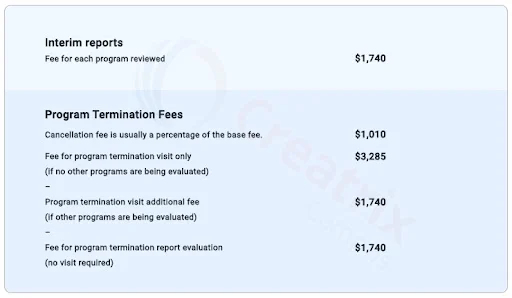
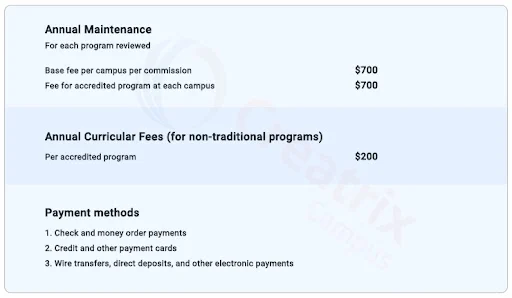
Cost of ABET Accreditation 

Based on 2021-2022:


Note: 

Fees for the programs outside the US are different, get more info on this here

Re-accreditation

Yes, re-accreditation is possible. And you need to submit RFE (Request for Evaluation) on the official website of ABET. RFE is a general formality for visits, interim visits, or interim reports. 

How does Academia ERP Solution help with ABET Accreditation?

ABET accreditation requires precision analysis of the institute on various factors. With the advanced report management system offered by Academia, you can generate a host of reports and analyze where you need to improve and how you can achieve ABET accreditation. Also, the reports help you in presenting the right data to the assessment committee at ABET in the SSR and allow you to leave no gaps unfilled. Request a live demo of Academia ERP to learn more.

The Top 5 Priorities for Higher Education in Cybersecurity

Education organizations are easy targets for hackers, but institutions must opt for techniques that can make them manageable and efficient. With a proactive approach, it is the right time for educational institutions to prioritize security as an important issue and find a solution for it. 

The institutions are easy targets of cybercriminals. Whether internal or external, there are various types of data hacking practices like phishing, data breaches, ransomware, and IoT vulnerabilities present in the system. It creates a lot of risks and reduces students’ rights and wreaks havoc on the lives of students, staff, faculty, parents, and administrators.

  • Data Encryption

Data hackers today can obtain and damage institutional data by intercepting it while actively in transit. Institutions must opt for technologies that can automate all institutional tasks, along with the prevention of stealing real-time data. A good ERP system can provide you with data encryption as using it, institutions can attain automation of all the institutional tasks and update data into a single system that is highly secure and safe.

  • Network and Data Monitoring

An educational entity involves multitudes of data that need to be restored efficiently. It needs to be the top priority of institutions to monitor the data and network. Proper monitoring and tracking with the right tool can help prevent security breaches and plays a vital part in the cybersecurity of the business. 

  • Comply with Cyber Protocols

With the security improvements in institutions, most of the institutions are strict with all the stakeholders, particularly for adherence to data security. Meanwhile, institutions must adopt advanced technical support that can monitor stakeholders’ actions, and bring transparency. You can aim at creating a centralized channel to manage and protect any kind of information initially. It is also crucial that institutions should bring transparency to the rules in all departments, sections, and locations.

  • Backup Your Data

There are chances that any data in an institution related to admission, enquiry, or maybe examination needs to be accessed and used multiple times by different groups of individuals. In this case, institutions must generate the backup of the data regularly. It can also prevent data in ransomware-style attacks and help in securing data and continuing the functioning of the institute. 

  • Protect Your Devices From Physical Attacks

Whether an institution has security software that has zero tolerance for cyber crimes, it is equally essential to secure data from physical damage. For this, institutions need to secure automating all the institutional tasks that can reduce the chances of physical theft, malware attacks, and more. 

Why only Academia ERP for Securing Your Institution?

Cybercrime is becoming very common nowadays, and the world is finding ways to fight it.  As a leading ERP / SIS solution provider, Academia fights cybercrime with modern security solutions to enhance and improve the overall functioning of the institution.

Academia features data encryption, and GDPR compliance and focuses on regular security updates. Ensure security with multi-factor authentication, log reporting, and many more. One of its main functions is to deliver a next-level security environment to all the stakeholders in an institution.

Did you know that security compliance is a crucial aspect to get a higher NAAC accreditation? Contact our technology experts to get full details on how you can achieve the grade “A” in your next evaluation through Academia. Don’t forget to request a free product demo.

Challenges and Supporting Factors in Adopting ERP in Higher Education Indonesia

The education model of modern institutions in Indonesia is changing and moving towards automation and digital transformation. According to Wikipedia, the Indonesian education system is the fourth largest in the world with more than 50 million students, 3 million teachers, and 300,000 schools. Indonesian institutions need to choose and implement technologies like ERP that are directly associated with modern education and growth.

Higher education institutions in Indonesia are on the verge to opt for ERP systems for complete digital transformation, but institutions need to check the challenges & supporting factors in adopting ERP according to the Indonesian educational system. 

An ERP implementation can be one of the most intensive processes undertaken after considering Indonesia’s education ecosystem. 

Installing an ERP system changes the complete scenario for all stakeholders, so to make it positive the challenges need to be accomplished deliberately.

Challenges & their Supporting Factors in Implementing ERP 

1. Selection of the right ERP software 

Challenges

There are 2,316 higher education institutions (2,235 private), including 391 universities (345 private) in Indonesia. Higher education in Indonesia offers academic degrees, vocational degrees, and professional degrees.  

These institutions are on their way to opting for digital transformation and an ERP is one such solution. To choosing ERP, institutions are facing various confusion like selecting the ERP for some operations, avoiding systematic implementation process, and more.

Supporting Factor 

Indonesian institutions need to deep dive into research for finding the right ERP software. It is crucial to check all the necessary features, modules, and functionalities that your ERP provides. With all these, the ERP vendor organization you choose must provide you with efficient implementation, support, & pre & post-implementation process, maintenance & sprint updates. 

2. Proper communication between institutional authorities & ERP experts

Challenges

Effective communication is the key to success for any business. In educational institutions as well, it becomes necessary to have an effective chain of communication between all the stakeholders. 

After selecting an ERP system, institutions often find it difficult to connect with the ERP vendor due to various factors like language differences, unscheduled meetings, unskilled ERP managers for their institutions, and more. All these affect the entire implementation process of the ERP in your institution.

Supporting Factor 

For smooth implementation of an ERP, it is a must that institutions in Indonesia should check each and everything with the ERP they choose from the start. They can communicate and understand the product in the following manners:

  • Requesting at least 2-3 rounds of complete tour or demo of the product. 
  • Demanding a dedicated and skilled ERP expert for proper implementation of the ERP. 
  • Organizing internal sessions in your institute explaining the ERP and its features. 
  • Connecting with the ERP vendor team regularly for seamless relationships. 

3. System preparation according to the Indonesian education scenario 

Challenges

As discussed above, Indonesia includes more than 2000+ institutions. It includes institutions with academic degrees, vocational degrees, and professional degrees. In these different types of institutions, ERP vendors often get distracted and confused in choosing and accomplishing the needs in implementation. 

Supporting Factor 

An ERP is considered an end-to-end solution for educational institutions. The ERP you choose must provide you with all the features that can help in managing all the academic & administrative operations. 

For this, the system you choose must provide all the standard versions with a centralized server. The ERP experts should deal with all the necessary system preparation according to your institutional type, operations, activities, and regular tasks. 

4. An efficient deployment & training for all stakeholders 

Challenges 

After proper system preparation, institutions often face difficulties in managing the efficient deployment of the ERP and knowledge transferring to KT, as most of the ERP vendors do not always provide training to all the stakeholders for a better understanding of the product. 

Supporting Factor

As mentioned above, every institution has a different way of imparting education. The ERP system you choose must provide:

  • A Systematic Deployment 

After systematic preparation of ERP, institutions must opt for a consolidated deployment plan containing information on processes to be mapped to the designated modules. 

  • Training to Stakeholders 

An ERP system changes the complete operational activities of the institute. It makes all the stakeholders opt for an automated method, and it sometimes becomes difficult to go with the sudden transformation.

For this, higher authorities at the educational institution need to organize sessions with associated stakeholders for complete knowledge transfer and proper functioning in the institutions.

5. Regular Maintenance & Updates 

Challenges

After completing all the processes, an ERP system requires continuous maintenance & needs to be updated regularly. Institutions in their day-to-day tasks educational authorities often neglect or forget the regular maintenance & updates. 

Supporting Factor

After the completion of installation, we provide comprehensive support to the institute. A good ERP software provides institutions with raising queries related to the software, it also gets resolved as stipulated by a support team. It should also organize sessions to provide detailed sessions for sprint updates. 

Academia ERP: A perfect solution for Indonesian educational institutions 

Every country owns a different level of education ecosystem, with different types of programs & courses offered, different types of stakeholders’ behavior, and a lot more differentiated things. 

Keeping the aforementioned in view, Academia provides a comprehensive and customized ERP solution according to the needs of the institution. Currently, we are providing robust ERP solutions in more than 20 countries according to their customizable needs. 

With our several clients present in Indonesia, we provide the supporting factors & solutions to all the challenges that affect consistent ERP implementation. 

Want to know more? Request your demo now

Academia SIS by Serosoft Recognized Again in 2022 Gartner’s Market Guide for Higher Education

“Academia SIS/ERP got featured in Gartner’s market guide 2022 for the 4th consecutive year. That puts us among the top education ERP leaders in the market.”

The educational institutions in the modern scenario are improving and attaining growth and achievements using modern-day technologies like Student Information System (SIS), Enterprise Resource Planning (ERP), and more.

The SIS Market is bringing a range of solutions to higher education institutions. To accomplish its needs, educational institutions should choose solutions that can help ease all the academic & administrative operations and boost productivity growth and achievements.

There are multiple SIS vendors available as competitors who are providing services to higher education institutions across the world. To make it simpler for institutions, Gartner released a Market Guide for Higher Education Student Information Systems in which it recognized SIS vendors who are delivering excellence for institutions. 

Academia SIS got its place in the list for being one of the core representatives of SIS for higher education institutions across the world. This is the 4th time in a row, Academia got this recognition in Gartner’s market guide.

2019 Market Guide for Higher Education Student Information Systems

2020Market Guide for K12 Student Information Systems

2021Market Guide for K12 Student Information Systems

2022Market Guide for Higher Education Student Information Systems

How did Academia SIS Achieve a Place on the List for the 4th time?

  • Regular Product Development & Enhancement

Academia SIS is providing the best services to educational institutions across the world. Being one of the best solutions for completing all the academic and administrative needs, we provide regular sprint updates. Our team also works on regular product development & enhancement that can help institutions in true aspects.

  • Customizable solutions for Institutions 

Helping more than 300+ institutions worldwide, we are providing customizable and end-to-end solutions after understanding institutional requirements. Having various modules, we have been providing customizations in different available modules like admission, fee, examination, and more according to stakeholders’ size and needs that can help in achieving growth and opportunities.

  • Right Proportion of Support in Pandemic to Institutions

The pandemic has affected various businesses, and education is one of them. Various institutions have chosen technologies like ERP, SIS, and more. Academia has also helped multiple institutions in the pandemic to get the right proportion of support in managing all the operations & tasks. It also helped different stakeholders in staying connected and communicating according to their needs from anywhere and anytime. 

  • Improvement in ROI 

Being a core presenter of automation in educational institutions, we focus on providing institutions with solutions that can help achieve high ROI and growth in all segments. It primarily focuses on reducing costs on various academic & administrative tasks like paper saving, human errors, chaos, confusion, and numerous other expenses, focusing on ROI improvement and productivity.

Why Should Your Institution Choose Academia SIS?

Academia SIS by Serosoft is present in 20 countries, and 300+ institutions, impacting the lives of 700,000 learners across the world. With this, we are on a mission to digitally transform 2000 educational institutions worldwide, providing greater learning & ease for students, higher productivity for faculty members, better decision-making for leadership, innovation & advancement for the education ecosystem, and a lot more.  

This recognition by Gartner helped us in getting motivation along with being more focused on our end goal. 

So, if you are interested in taking a test drive for our hero product Academia SIS, request your demo now!